The best repair is the one you never need. • Thorough preventive maintenance, • Careful driving, and • Carrying quality spare parts prevent most roadside emergencies.
Common Vehicle Issues on the Road
Tire Damage
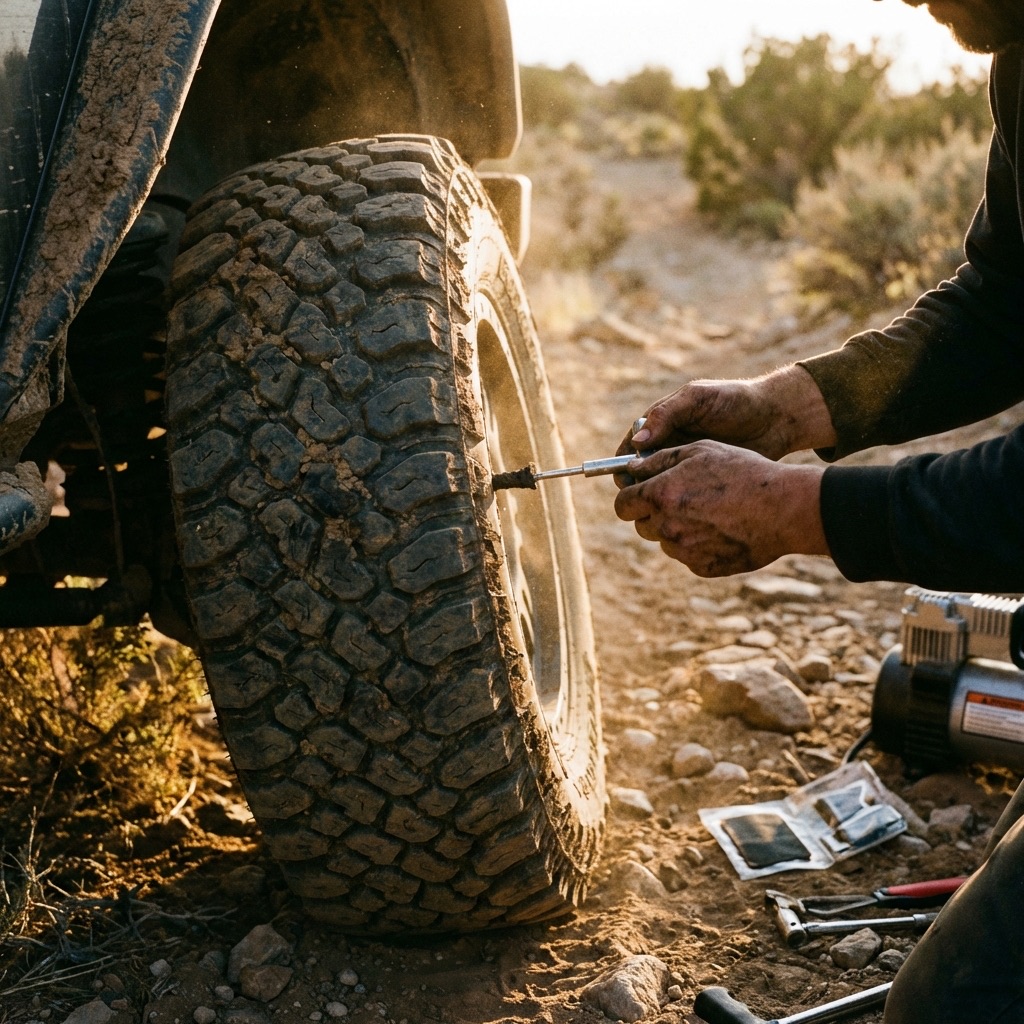
The most common issue on the trail is tire damage. Sharp rocks, thorns, sidewall cuts, and slow punctures are inevitable. Running lower pressures for traction increases sidewall vulnerability. Unrepaired damage leads to blowouts, and finding replacement tires in your size internationally can be challenging.
What to do: Best to be prepared with quality tires, have a repair kit, and know how to use it.
Electrical Problems
Overlanding puts unique stress on vehicle electrical systems. Battery drain from accessories, corroded connections from water crossings, and vibration-loosened wiring are frequent culprits. Symptoms include moisture, and constant vibration creates the perfect storm for electrical gremlins.
What to do: Know your system and bring a voltmeter for basic troubleshooting.
Suspension and Steering Components
The added weight of overlanding gear and rough terrain accelerate wear on suspension components. Worn bushings, leaking shocks, and loose ball joints develop faster than during normal driving. You'll notice roads.
What to do: Regularly inspect and be sensitive to new noises and road feel to detect issues early.
Cooling System Failures
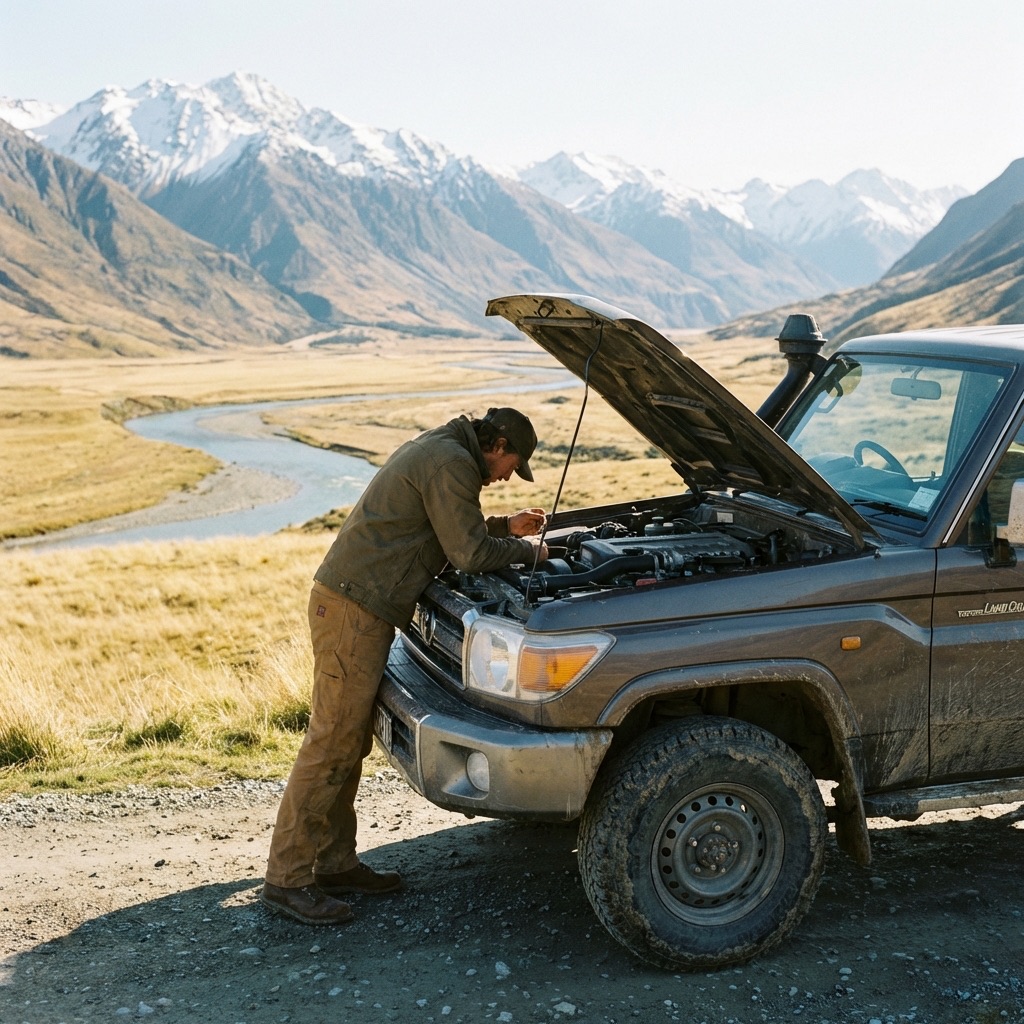
Slow speeds in hot climates, clogged radiators from dust and debris, and the strain of carrying heavy loads under the hood. A failing water pump or collapsed radiator hose can strand you in remote areas.
What to do: Especially in hot deserts or high altitudes, keep a careful watch on your gauges.
Fuel System Issues
Contaminated fuel is a reality in many remote regions. Water in diesel, sediment in fuel tanks, and clogged fuel filters cause rough running, power loss, or complete failure to start. The constant jostling also loosens fuel line connections and can damage fuel pumps.
Makeshift Repairs: Field Solutions
When things do break, which they will, staying calm and being creative is the key to get back on the road.
The Duct Tape and Wire Philosophy
Successful overlanders master the art of "good enough for now" repairs. The goal isn't perfection but getting safely to the next town with proper facilities. Carry multiple types of tape (duct, electrical, self-fusing silicone), wire in various gauges, zip ties in multiple sizes, and hose clamps ranging from small to large.
Radiator Hose Emergency Fix
When a radiator hose splits or develops a leak, drain the cooling system if possible. Clean and dry the damaged area, then wrap it tightly with self-fusing silicone tape, overlapping by half the tape width. Cover this with several layers of duct tape. For larger splits, insert a piece of aluminum can as a shim before wrapping. This can hold for hundreds of miles if done properly. Monitor temperature closely and refill coolant as needed.
Fuel Line Repairs
For cracked or damaged fuel lines, cut out the damaged section if you have spare hose. If not, clean the area thoroughly with fuel to remove oil and dirt. Wrap the crack tightly with self-fusing tape, then secure with multiple zip ties pulled very tight. For fuel filter issues with contaminated fuel, improvise a filter using clean cloth or coffee filters in an emergency, though this is temporary at best.
Electrical Quick Fixes
For loose or corroded connections, clean contacts with a wire brush or sandpaper, then protect with dielectric grease or petroleum jelly. Bypass blown fuses temporarily with wire for non-critical circuits to diagnose problems. For chafed wires, separate them from sharp edges using split garden hose or foam pipe insulation, then wrap with electrical tape.
Suspension Limping Solutions
A broken leaf spring can be temporarily splinted using wood planks, metal bars, or even multiple layers of strong sticks bound tightly with wire or ratchet straps alongside the spring pack. This won't restore full capability but allows slow progress. For broken shock absorbers, remove them entirely rather than leaving them flopping around causing damage.
Exhaust System Repairs
Exhaust leaks sound terrible but rarely stop you completely. For holes in pipes or mufflers, stuff the hole with steel wool, then wrap with aluminum flashing or cut-up cans, securing with wire or hose clamps. The repair will be loud but functional. For broken hangers, wire coat hangers, baling wire, or even strong rope can hold exhaust components in place temporarily.
Parts Sourcing
Before You Leave: Critical Spares
Research your vehicle's known weaknesses and carry those specific parts. Essential spares include all filters (oil, fuel, air), all belts, extra fuses and relays, brake fluid, spare bulbs, gasket material, and hoses that fit your coolant system. Also pack vehicle-specific items like glow plugs for diesels or ignition components for older vehicles.
Universal Parts Strategy
Some parts are universally available worldwide. Standard-size hose clamps, basic electrical connectors, generic fuel filters, and common oil filters can be found almost anywhere. Learn the specifications of your parts so you can find equivalents. Carry adapters or fittings that let you use non-standard parts in a pinch.
Finding Parts in Remote Areas
Local mechanics often have creative solutions and access to regional parts sources. Agricultural equipment dealers carry robust parts that may work as substitutes. Mining operations, construction sites, and truck repair facilities in remote areas often have heavy-duty components adaptable to overlanding vehicles. Shipping yards and industrial areas are goldmines for improvisation materials.
International Shipping Options
DHL, FedEx, and UPS operate in most countries but expect customs delays and hefty fees. Ship to major cities rather than remote areas. Some overlanders use general delivery at post offices or ship to embassy/consulate addresses with prior permission. Online communities often coordinate parts mules, where traveling overlanders carry parts for stranded vehicles.
Local Fabrication
Welding shops, machine shops, and metal fabricators exist even in small towns throughout the developing world. They can manufacture brackets, repair cracked housings, or fabricate replacement parts from drawings or the broken original. Labor is often inexpensive, and craftsmen are remarkably skilled at improvisation.
Online Resources and Communities
iOverlander, Horizons Unlimited, and various Facebook groups connect overlanders worldwide. Post your location and needs, and often someone nearby has spare parts or can point you to local sources. Some popular routes have established networks of overlanders who cache parts along the way.
Preventive Maintenance Schedules
Daily Checks (5-10 minutes)
Walk around the vehicle looking for fluid leaks underneath, check tire pressures and condition, verify all lights function, and look for loose items or new damage. Pop the hood and check fluid levels including oil, coolant, brake fluid, and power steering fluid. Listen for new noises when starting and while driving.
Weekly Maintenance (30-45 minutes)
Clean air filters if in dusty conditions, check battery terminals for corrosion, inspect for loose bolts on suspension, roof rack, and bumpers, examine tires closely for embedded objects or damage, grease chassis points if equipped with fittings, and check spare tire pressure. Top off washer fluid and inspect wiper blades.
Every 1,000 km or After Difficult Terrain
Inspect underneath for damage to skid plates, oil pan, transmission, and transfer case. Check for cracked welds on bumpers and roof racks. Examine shock absorbers for leaks. Tighten any loose bolts found during inspection, paying special attention to wheel lug nuts. Check differential and transfer case oil levels. Clean battery terminals and apply protective spray.
Standard Service Intervals
Follow your manufacturer's severe duty schedule, not normal intervals. Overlanding qualifies as severe duty. Change engine oil every 5,000 to 7,500 km depending on conditions. Replace fuel filters at half the normal interval, especially in regions with questionable fuel quality. Rotate tires every 10,000 km or when uneven wear appears. Inspect brakes every oil change. Change transmission and differential fluids at recommended intervals, not mileage, as rough terrain wears them faster.
Extended Service Tasks
Every major stop (monthly or at significant waypoints), drain and clean sediment from fuel tank if you've been running questionable fuel. Flush and replace coolant annually regardless of mileage. Service wheel bearings, repack with grease, and inspect for wear. Check and adjust valve clearances on engines that require it. Inspect CV boots and drive shaft joints for tears or leaks. Clean and re-grease sliding contact points on leaf springs.
Documentation and Records
Keep a detailed maintenance log noting dates, locations, and mileage for all service performed. Document all repairs with photos showing before, during, and after. This history helps diagnose recurring issues and proves valuable when selling. Note fuel quality at each fill-up to correlate with any fuel system problems. Record unusual noises or handling changes even if you can't identify the cause immediately.
Climate-Specific Adjustments
In hot, dusty environments, double the frequency of air filter cleaning and checks. In humid coastal areas, inspect electrical connections weekly for corrosion. In cold climates, check antifreeze protection levels regularly. In sandy conditions, drain breather tubes on axles and transmission frequently. In high-altitude regions, engine performance suffers and may need adjustment.
Emergency Repair Kit Essentials
Hand Tools: Metric and imperial socket sets, combination wrenches, screwdrivers, pliers, wire cutters, adjustable wrenches, Allen keys, and a good flashlight or headlamp.
Consumables: JB Weld epoxy putty, multiple types of tape, cable ties in various sizes, baling wire, hose clamps, spare electrical wire, fuses and relays, and gasket material.
Specialized Items: Tire repair kit with plugs and patches, portable air compressor, jumper cables or jump starter, multimeter for electrical diagnosis, and fire extinguisher.
Fluids: Extra engine oil, brake fluid, power steering fluid, coolant, and penetrating oil for stuck bolts.
Community Knowledge
Tell us
your story and lessons learned
Have you had a MacGyver moment on the trail? Did a specific spare part save your trip? We'd love to hear
about your maintenance wins and fails to help the community learn.
Come share your story at a Meetup
When to Call It: Knowing Your Limits
Some repairs are too dangerous or complex for field work. Cracked engine blocks, major transmission damage, destroyed wheel bearings, or severely damaged frames need professional facilities. Attempting certain repairs without proper tools can cause injury or make problems worse. Don't risk your safety trying to limp a severely damaged vehicle through dangerous terrain. Sometimes satellite rescue or professional recovery is the right choice.